
About Beth
The Problem With Treating the Symptom
For years, individuals who were doing everything right — from physical therapy and stretching to core work and breathing exercises — found themselves stuck in a cycle of frustration. They weren't improving, not because the treatments were ineffective, but because they addressed the site of pain rather than the source.
When breathing mechanics falter and no longer support alignment, certain muscles with a mechanical leverage advantage can become overactive, overpowering those that lack it. This imbalance can move bones and alter the positions of the spine and joints. To correct these issues, it’s vital to restore proper airway function, enhance breathing mechanics, and employ dynamic neuromuscular stabilization through targeted muscle activation. This principle — follow the chain, not the complaint — is the foundation of everything Beth does.
A Practitioner Who Has Been the Patient
Beth's journey into this field was born from her personal experiences with injuries and surgeries, coupled with the frustration of treatments that never tackled the underlying causes. This background doesn’t just inform her approach; it drives the questions she asks, the areas she examines, and the depth of understanding she brings to every assessment and treatment plan. She is committed to ensuring that "that's just how your body is" is never accepted as a final answer.

Why PRI and DNS
The Framework
Beth practices through two deeply complementary frameworks:
Postural Restoration (PRI) is built on the recognition that the human body is asymmetrical by design — and that this asymmetry creates predictable compensatory patterns throughout the entire system. PRI provides a precise map of those patterns and a systematic approach to resolving them through breathing mechanics, muscle activation for joint repositioning, and movement re-education.
Dynamic Neuromuscular Stabilization (DNS) grounds movement in the developmental sequencing of the nervous system — restoring the foundational stability patterns present in healthy movement before injury, habit, or compensation altered them.
Together, these frameworks make it possible to identify not just where the body is struggling, but why — and to build a logical, targeted path to lasting change.
Credentials
Beth holds certifications in PRI, DNS, CSCS (Certified Strength and Conditioning Specialist), CHEK, and myofascial release, with advanced PRI coursework including Myokinematic Restoration, Postural Respiration, Pelvis Restoration, Impingement & Instability, and Cervical Revolution.
She practices from South Beach, Miami Beach, Hallandale, Boca Raton, and works with clients in person and remotely.
A Note On The Writing
Beth also writes a Substack — The Breathing Series and other deep dives — translating the science of posture, breathing mechanics, and the nervous system through concepts like dynamic neuromuscular stabilization and muscle activation for both practitioners and curious non-clinicians.

Available on Substack: See what Posture to Performance can do - Neck Alignement and Jaw Issues
Experience instant and lasting changes in neck alignment by improving your breathing mechanics. You’ll notice immediate effects on a 'backward' neck as dynamic neuromuscular stabilization and muscle activation work together to restore proper posture.

Latest on Substack: How Do I Know What My Body Is Signaling Me? – Week 1 Breath
Latest Substack Series on breathing mechanics explores dynamic neuromuscular stabilization and its role in effective muscle activation.
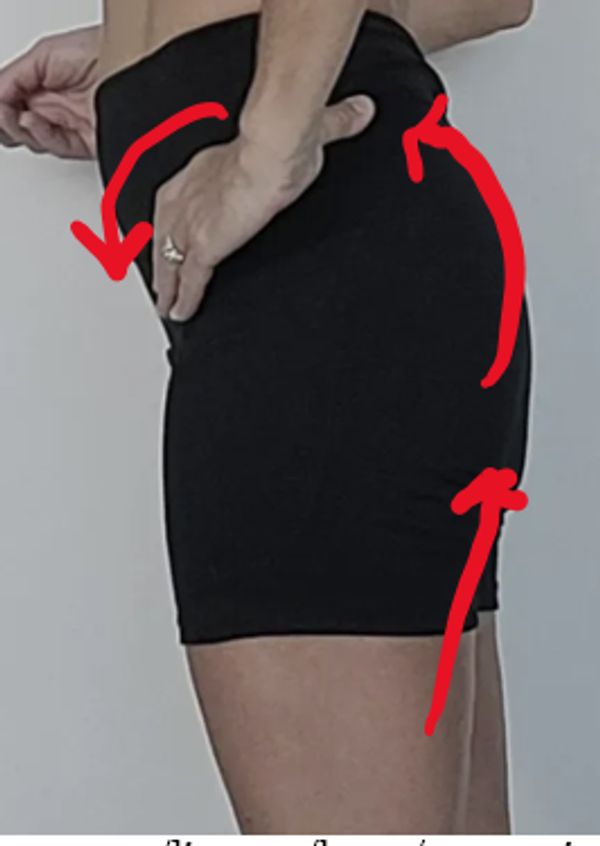
Why You Should Not Stretch: Hip Issues -
What position does your pelvis sit in, why is it important for breathing mechanics, and how can you correct it using dynamic neuromuscular stabilization and proper muscle activation?